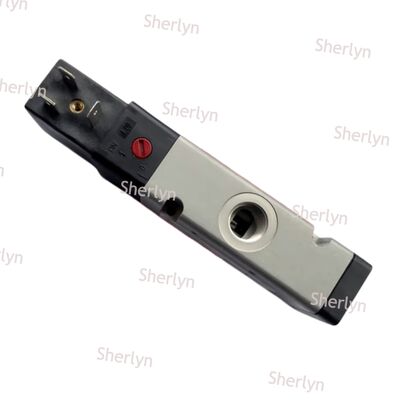
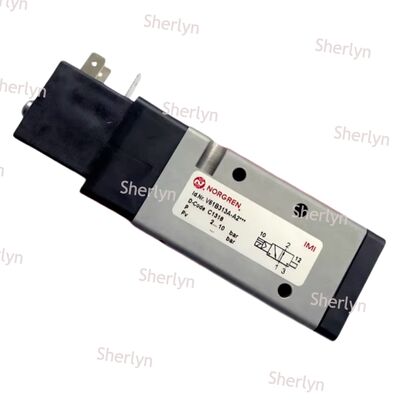
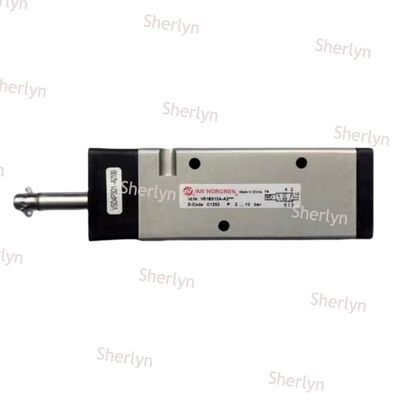
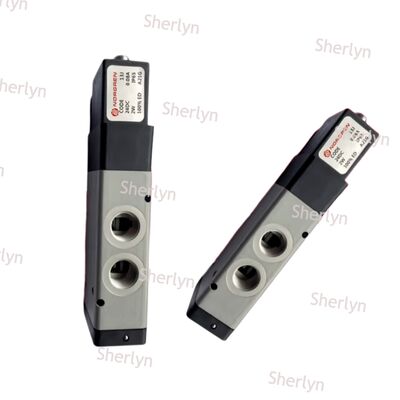
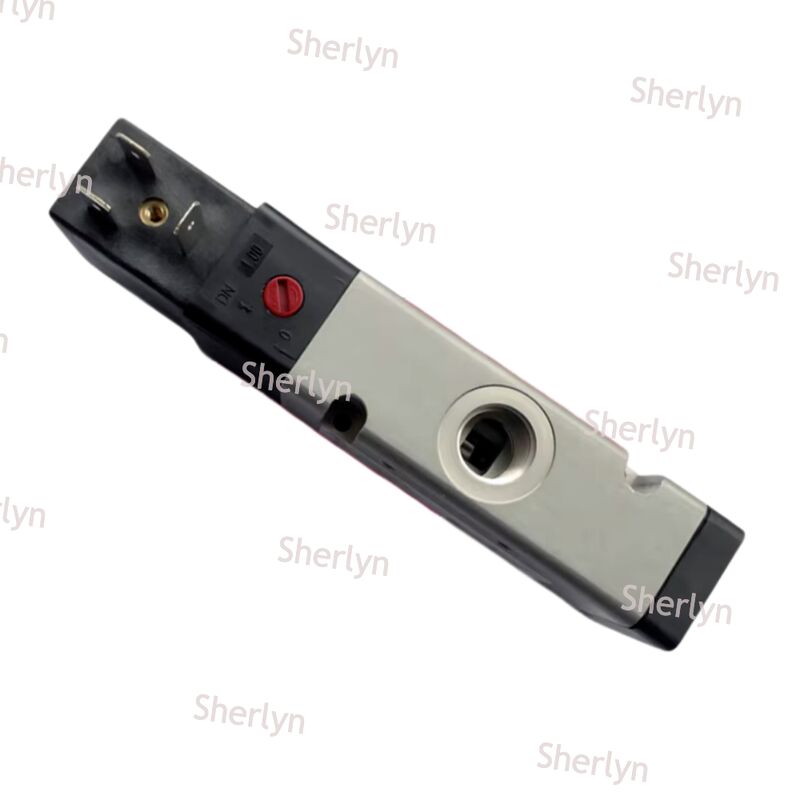
Product Description:
Product Features
1. Pilot-Operated Design
This series of solenoid valves utilizes a pilot-operated principle where the main spool’s movement is controlled by a pilot valve. The pilot valve is driven by a solenoid coil, while the main spool operates based on the pressure difference in the medium. Such a design enables a low-power solenoid coil to regulate the on/off function of valves handling large flow rates, enhancing energy efficiency and suitability for higher pressure conditions.
2. Normally Open (NO) Function
The valves are designed with a normally open state, meaning they remain open when de-energized, allowing fluid to pass through. Activating the solenoid coil closes the valve, stopping the medium flow. This normally open feature is ideal for safety-critical applications where continuous flow is necessary during power outages, such as in cooling or emergency venting systems.
3. Single Solenoid Operation
Featuring a single solenoid control system, the valve shifts between open and closed positions by energizing or de-energizing one solenoid coil. When power is cut, the valve automatically reverts to its normally open position by means of spring force or medium pressure, ensuring straightforward and reliable operation.
4. High Flow Capacity
Owing to the pilot-operated mechanism and an optimized flow path design, these solenoid valves deliver superior flow capacity. Depending on the specific model, flow rates vary from 610 liters per minute up to 2600 liters per minute, accommodating a range of medium to large flow demands.
5. Wide Operating Pressure Range
The valves typically operate within a pressure range of 0.2 MPa to 1.0 MPa (2 to 10 bar), with certain models capable of handling pressures up to 1.6 MPa (16 bar). It is crucial to maintain a minimum pressure differential, generally above 0.2 to 0.3 bar, for proper pilot valve functionality.
6. High-Quality Materials and Sealing
Constructed with valve bodies made from die-cast aluminum alloy or aluminum extrusion, these valves offer lightweight yet durable and corrosion-resistant performance. The spool and sleeve are available in either metal-sealed variants for longevity or soft-sealed variants for enhanced flow. Sealing materials include NBR or FKM, making them suitable for compressed air and various other media.
7. Low Power Consumption and High Protection Rating
The solenoid coils are designed for low electrical consumption, with some models using only 1 to 2 watts, which contributes to notable energy savings. Additionally, the valves provide a protection rating of IP65, ensuring dust-tight performance and resistance against water jets – ideal for use in dusty or humid industrial environments.
8. Flexible Manual Override
Each valve includes a standard manual override feature, commonly offered as either a push-button or a twist-lock knob. This function facilitates system commissioning, maintenance, and allows for manual operation during emergencies without depending on electrical power.
9. Diverse Ports and Mounting Options
The valves come with port threads such as G1/4, G3/8, or G1/2 British pipe threads, adhering to international standards for easy compatibility with various pneumatic components. Installation can be carried out via inline piping or sub-base mounting, providing flexible integration options based on specific system demands.
Applications:
Industrial Automation Production Lines
Industrial automation production lines are extensively employed in various automated assembly processes, material handling systems, and packaging machinery. These systems utilize single-acting cylinders to perform essential functions such as clamping, positioning, and pushing. The design prioritizes high-frequency operations and demands high reliability to maintain smooth and efficient production workflows.
Single-Acting Actuator Control
The control of single-acting pneumatic actuators—like single-acting cylinders, diaphragm valves, and pneumatic grippers—is typically managed using a 3/2-way solenoid valve. This valve is standard in such applications. Notably, the normally open (NO) configuration is ideal for safety interlock scenarios. In these cases, the valve will automatically open or close upon power failure, making it perfect for emergency venting systems where safety is critical.
Purging and Pressure Relief Systems
Valves play a vital role in process environments that require periodic purging or pressure relief. They are employed to control the switching on and off of compressed air in such systems. Key applications include filter blowback mechanisms, surface dust removal devices, and safety relief circuits associated with air receiver tanks, ensuring operational safety and system integrity.
Packaging Machinery
In the packaging industry, these valves are widely implemented in equipment such as filling machines, sealing machines, labeling systems, and blow molding machines. They control the rapid movement of pneumatic actuators, which is essential for maintaining production cycle efficiency and ensuring packaging precision aligns with quality standards.
Automotive Manufacturing and Parts Processing
Automotive production lines utilize these control valves in welding fixtures, painting apparatus, assembly stations, and parts processing machinery. These applications require components that can withstand oil exposure and vibrations while offering a long operational lifespan, thus enhancing the reliability of pneumatic tooling and auxiliary equipment within automotive manufacturing environments.
Food and Beverage Production
These valves are also suitable for controlling pneumatic systems in food processing equipment involved in blow molding, filling, and sealing operations. It is important to select sealing materials and lubrication methods that comply with food-grade standards to ensure safety and hygiene throughout food and beverage production processes.
Energy and Environmental Protection Equipment
Environmental protection facilities, such as thermal power plants, wastewater treatment centers, and exhaust gas treatment units, rely on these valves for automated process control. They are responsible for driving pneumatic control valves and on/off valves, facilitating remote operation and enhancing the efficiency and safety of environmental control systems.
Special Condition Applications
Certain valve models are designed to operate under a wide range of temperatures, for example from –10°C up to +50°C or beyond. In low-temperature settings, the use of dry air is recommended to prevent freezing issues. Additionally, for environments requiring explosion-proof standards, special explosion-proof coil options are available to meet stringent safety regulations.



 Your message must be between 20-3,000 characters!